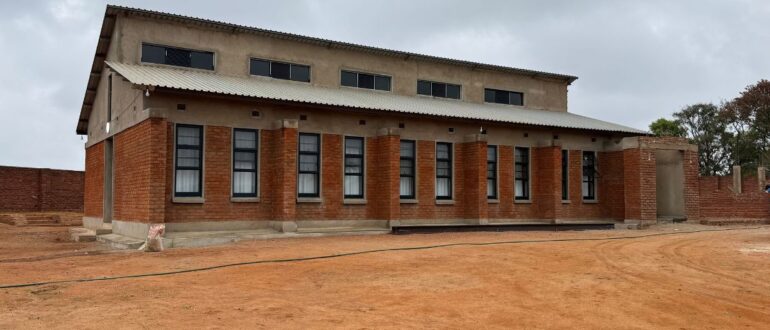

The first phase of SALT’s new hostel accommodation at Saidi is now in use, marking a significant milestone in a project that has been several years in the making.
For some time, one of the major limitations on Bible teaching conferences at Saidi has been accommodation. While interest in the conferences continued to grow, the availability of nearby lodging often restricted attendance and made it difficult to host larger residential events. That challenge was one of the driving reasons behind the decision to construct dedicated on-site hostel accommodation.
Today, although the project is not yet fully complete, we are thankful to report that the hostels have already begun serving the purpose for which they were built.
From Vision to Reality
The hostel project began with the objective to create practical, affordable accommodation that would allow more believers to attend Bible teaching conferences, training events, and other residential programmes at Saidi.
What seemed straightforward on paper proved to be a substantial undertaking. Since construction began, the project has navigated a range of issues including rampant inflation, procurement challenges associated with sourcing of materials across international boundaries, transport delays, and the day-to-day realities of managing a large construction project in Malawi.
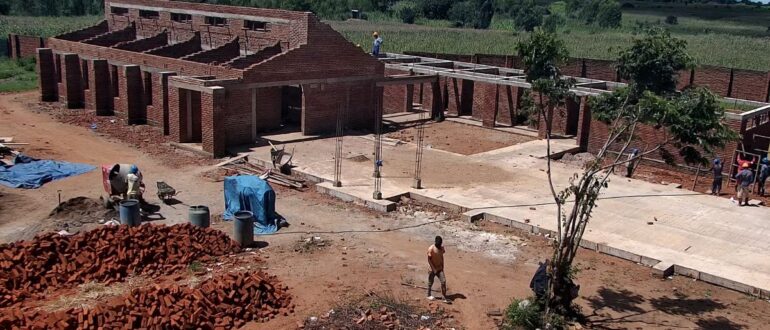
Despite these setbacks, progress has continued steadily, if slowly at times. The site was levelled and foundations were dug just over a year ago. Since then, walls rose from the ground, the roofs were installed, and the electrical and plumbing systems were fitted. The bedroom furniture was being fabricated and assembled even as the recent conference was beginning.
Looking at the completed structures today, it is encouraging to see how far the project has come.
Welcoming the First Guests
The greatest encouragement, however, has not been seeing buildings completed. It has been seeing people use them.
During our recent Bible teaching conference at Saidi, the first wing of the hostels were brought into service for the first time. While accommodation remains more limited than we ultimately intend, the buildings provided much-needed space for residential attendees and immediately demonstrated their value.
For several years we have talked about the benefits these facilities might bring. In recent weeks we have begun to experience those benefits firsthand.
Visitors were able to stay on-site, reducing travel pressures and helping attendees participate more fully in the programme. The atmosphere created by having believers living, eating, fellowshipping, and studying together throughout the conference is precisely what we had hoped the facilities would help foster.
There was a real sense of gratitude and relief among the team as we watched rooms that had existed only on drawings and construction plans become spaces that were actively serving the Lord’s work.
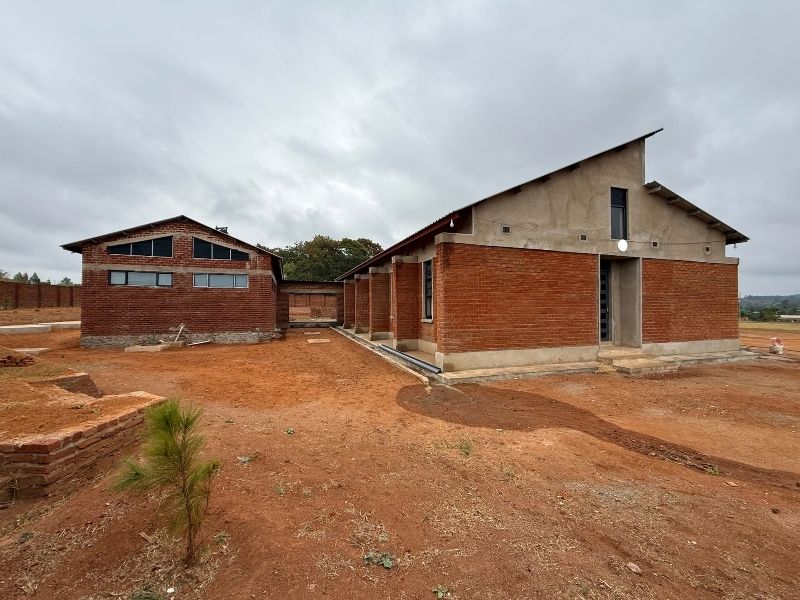
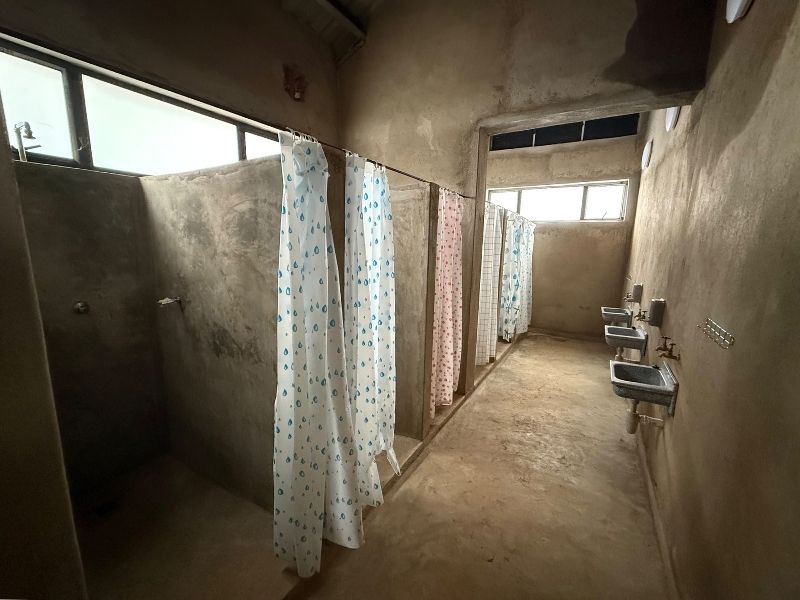
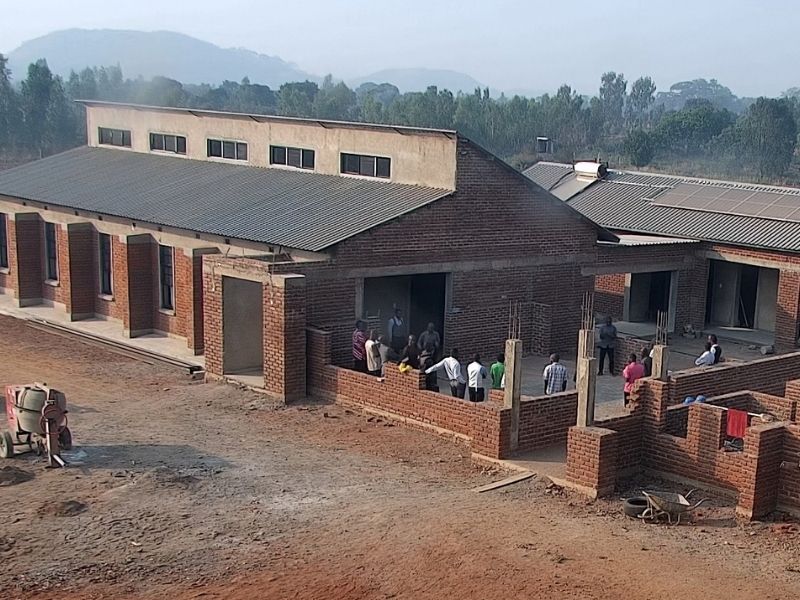
The new hostel buildings at Saidi are now operational and have already begun serving residential conferences and training programmes.
Functional Rather Than Finished
As you can see, the hostels are clean, functional, and comfortable, if not luxurious!
Bedrooms have been furnished with bunk beds, lighting, fans, curtains, and mattresses. Shower and ablution facilities are operational, even if there isn’t hot water for all!
However, the accommodation is not yet fully finished.
One of the most visible outstanding tasks (apart from the fact that the east wing and common room have only been built to window height) is the internal painting. At present, the cement-rendered walls give the corridors, bedrooms, and wash facilities a somewhat austere appearance. Once painting is completed, the buildings will feel significantly brighter, warmer, and more welcoming.
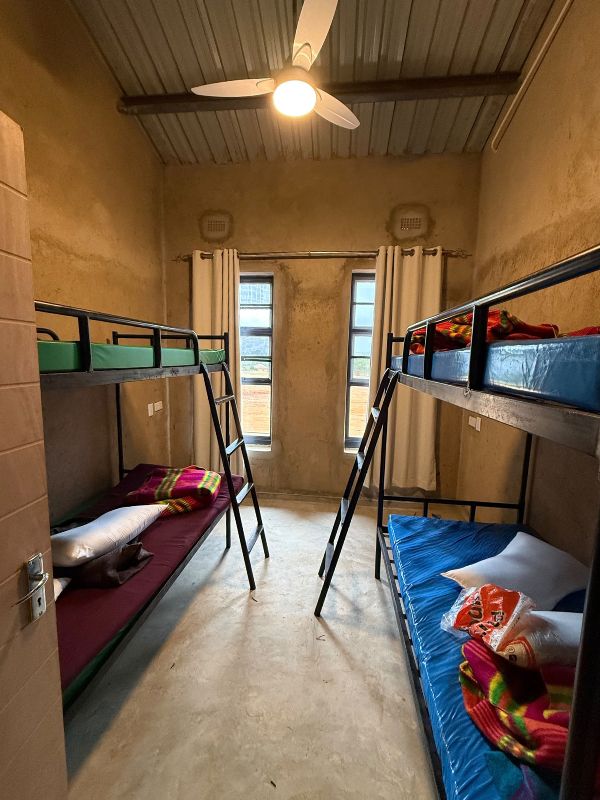
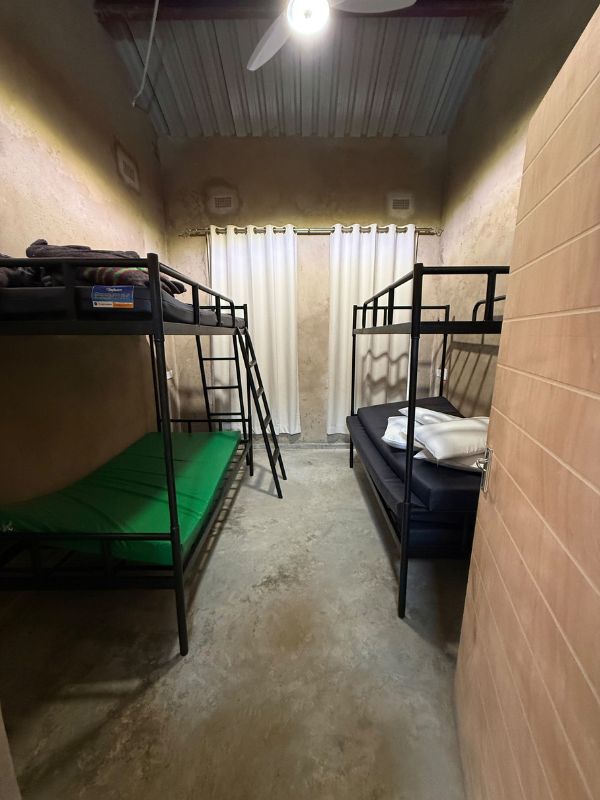
Bedrooms are now furnished and occupied during events, helping create a residential environment for learning, fellowship, and spiritual growth.
Built for Long-Term Ministry
The hostels form part of a wider vision for Saidi as a centre for Bible teaching and training, and a hub for literature ministry. Our ambition is that the facilities will be brought into regular use throughout the year.
We are already exploring opportunities to host additional training programmes, literature worker gatherings, and residential Bible teaching weeks. The ability to accommodate visitors on-site opens possibilities that simply did not exist before.
That prospect is perhaps one of the most exciting aspects of the whole project.
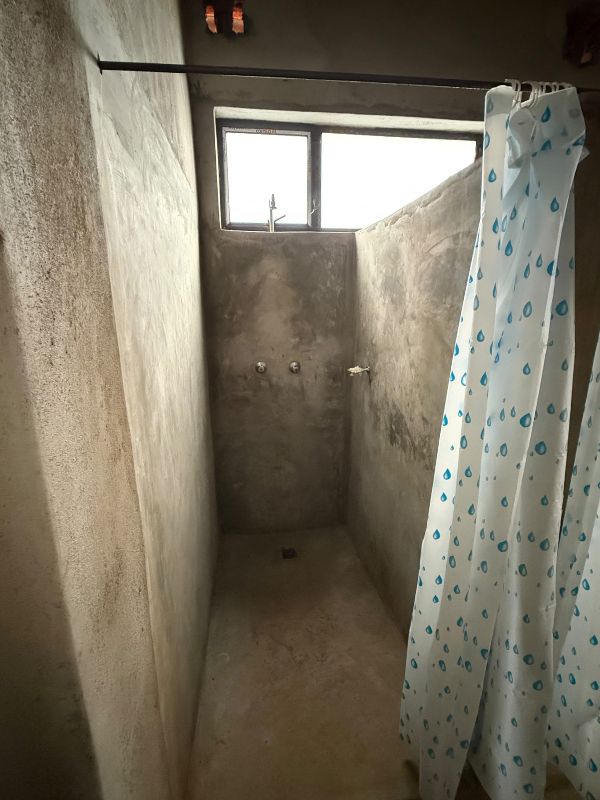
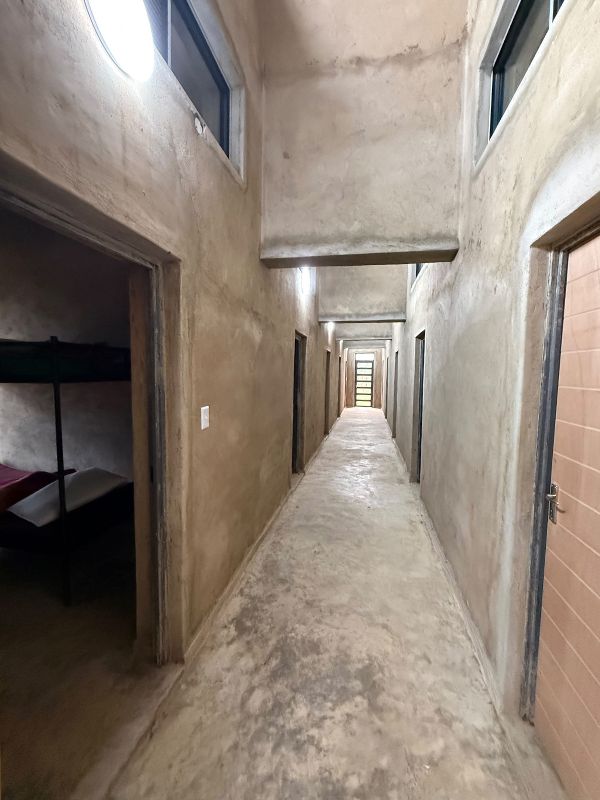
Although internal painting remains to be completed, the accommodation is already providing clean, practical facilities for conference attendees.
Looking Ahead
While much has been accomplished, quite a bit of work remains.
Like many operations in Malawi, we continue to face the effects of high inflation and rapidly rising construction costs. Prices for materials, transport, and labour have increased significantly during the life of the project, meaning that completing the remaining works requires careful planning and stewardship.
Nevertheless, we have reached an important turning point.
The conversation is no longer simply about constructing hostels. It is increasingly about how the facilities can be used to strengthen believers, expand Bible teaching opportunities, and support the work of the gospel for many years to come.
As we look across the site today, we do not merely see buildings. We see believers being taught, friendships being formed, workers being equipped, and opportunities being created for future ministry.
For all of this, we give thanks to God and remain grateful to everyone who has prayed for the project since its earliest planning stages.
The hostels are not yet fully complete, but they are already fulfilling their purpose.
And that is a tremendous encouragement.
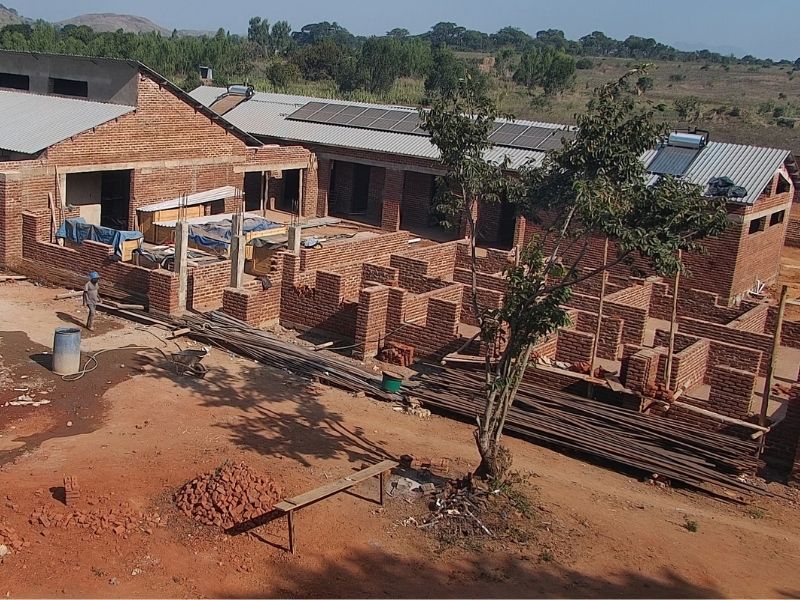
Now that the conference is behind us, work continues to complete the East wing of the first Hostel unit – we hope to complete in good time for the next conference in May 2027, Lord willing.